Ride On Floor Scrubber Price: What You Need to Know Before Buying
Let me start by saying — cleaning large spaces is no joke. Last week, I spent 3 hours scrubbing my warehouse floor with a basic mop before realizing I"d aged 10 years. That"s when I finally understood why ride-on scrubbers exist. But here's the kicker: the ride on floor scrubber price isn't just about the number on the tag. Let's break this down without the usual robotic sales talk.
First off, why do these machines cost anywhere from $8,000 to $25,000? It"s not just about the 'ride' part. Think battery life (nobody wants a dead scrubber mid-shift), tank capacity (refilling every 15 minutes? No thanks), and whether it can handle your specific floor type. I once saw a guy try to use a standard model on textured concrete — let's just say the repair bill cost more than the scrubber itself.
Here"s something most suppliers won't tell you: The cheapest ride on floor scrubber price often comes with hidden costs. That $9,000 machine might need $2k in replacement brushes within a year if you're cleaning daily. Pro tip: Ask about brush material during demos. Polypropylene lasts longer than nylon in most cases, but I"ve seen suppliers push nylon brushes because they're cheaper to stock.
Maintenance is where budgets go to die. A friend's auto-scrubber stopped squeegeeing properly last month — turned out the water filtration system needed cleaning. Total downtime? 4 business days. Moral of the story: Factor in service contracts when comparing ride on floor scrubber prices. Some manufacturers offer free first-year maintenance if you haggle (yes, you can negotiate with equipment dealers!).
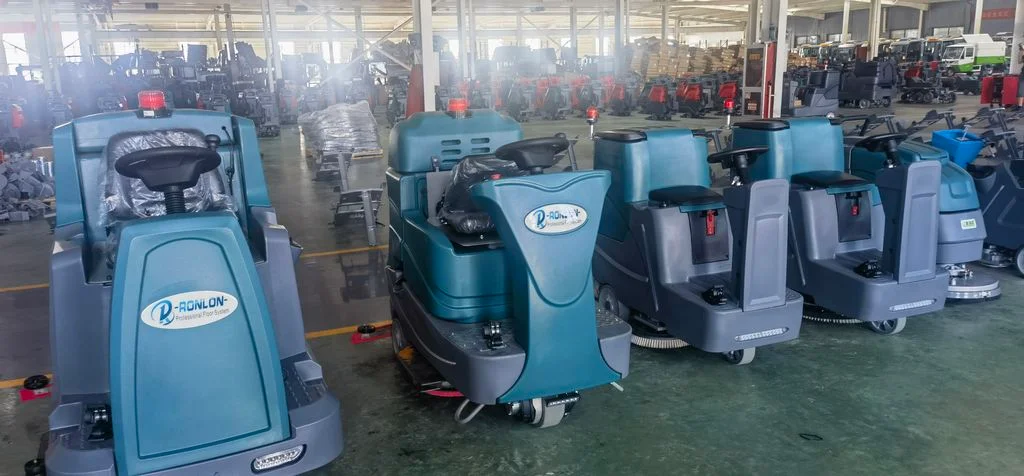
Now let's talk about that time I almost bought a refurbished unit. The ride on floor scrubber price was tempting — $6,500 vs. $14k new. But then the seller casually mentioned it had been used in a meat processing plant. Suddenly the 'slight odor' disclaimer made sense. Lesson learned: Always get the machine's service history. Battery cycles matter more than you'd think — lithium-ion batteries lose about 20% capacity after 500 full charges.
Here"s where it gets personal. My cousin runs a hospital maintenance team and swears by leasing options. "Why drop $20k upfront when I can pay $600/month?' he argues. Makes sense for cash flow, but check the fine print — some leases require you to buy the machine at 'fair market value' afterward, which could mean paying 120% of the original ride on floor scrubber price. Not cool.
Surprise fact: The machine's width directly impacts your labor costs. A 24-inch scrubber cleans 30% faster than a 20-inch model. Do the math — if your crew saves 10 hours/week, that $2k price difference pays for itself in under 6 months. Yet most buyers fixate on upfront costs instead of long-term savings.
Weather matters too. Seriously. A client in Miami had constant issues with mold in their scrubber's water tank until they upgraded to a UV-sanitized model. That added $1,200 to the ride on floor scrubber price but eliminated weekly deep-cleaning sessions. Sometimes the premium features are worth it.
Final thought — don't get starstruck by shiny demo models. Test the exact unit you're buying. I once took delivery of a scrubber that rattled like a mariachi band because the demo had perfect suspension and the actual unit' didn't. Took 3 months to get it fixed. Moral? Insist on testing your specific machine before payment.
Whether you're maintaining a airport terminal or a mega-warehouse, remember: The right ride-on scrubber pays for itself in saved labor costs and reduced slip-and-fall lawsuits. But shop smart — sometimes spending 15% more upfront saves 50% in long-term expenses. Now if you'll excuse me, I need to go convince my boss we need that scrubber with heated seats. (What? Winter is coming')