The Ultimate Guide to Choosing the Best Industrial Concrete Floor Cleaner for Your Workspace
Hey there! Let me start by saying, I"ve been knee-deep in factory cleanup projects lately'literally. Last week, I spent hours scrubbing oil stains off a warehouse floor, and let me tell you, not all industrial concrete floor cleaners are created equal. One of them left a weird residue that made the floor *slipperier* than a buttered pancake. (Oops, did I say "slipperier"? Yeah, that's not even a word. My brain's fried from all these late-night shifts.) Anyway, if you're dealing with stubborn grime, grease, or just plain old dirt on your concrete floors, you're in the right place. Let's talk about what really works.
First off, why does an industrial concrete floor cleaner matter? Well, concrete's porous. It soaks up spills like a sponge, and if you don't clean it properly, you'll end up with stains that outlast your company's quarterly goals. I"ve seen floors ruined by cheap cleaners that strip the surface or leave behind a sticky film. The good news? There are products that cut through the mess without wrecking your floors. Look for something pH-balanced'too acidic, and you'll etch the concrete; too alkaline, and you might as well be spraying soapy water.
Now, let's get real about durability. A solid industrial concrete floor cleaner shouldn't just clean'it should protect. Some formulas add a slight shine or sealant effect, which is great for high-traffic areas. I tested one last month that actually reduced how often the warehouse needed mopping. (Shoutout to the maintenance crew who high-fived me for that.) But here's the kicker: avoid anything with harsh chemicals unless you want your floor to look like a patchwork quilt after a few uses.
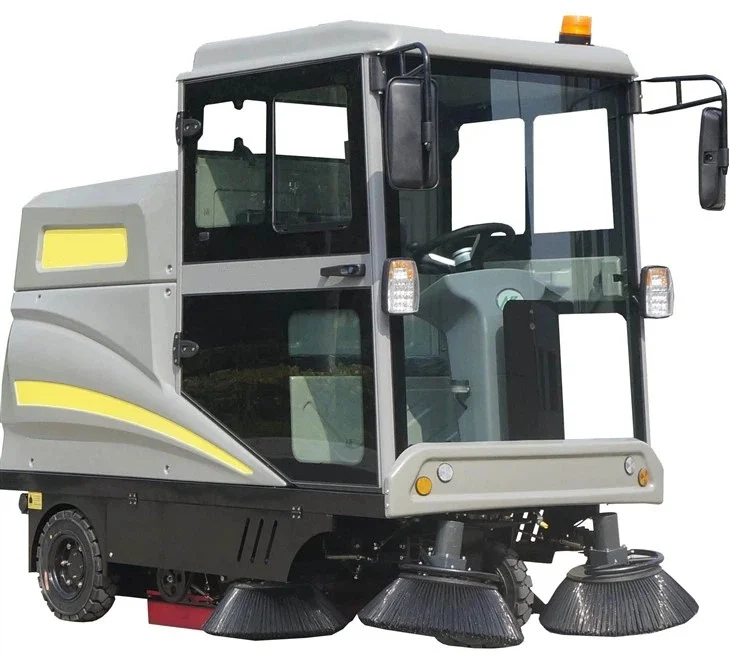
Oh, and don't forget equipment compatibility. If you're using a scrubber or pressure washer, make sure the cleaner won't clog your machines. I learned this the hard way when a 'heavy-duty' cleaner gummed up our auto-scrubber's filters. Two hours of disassembly later, we switched to a low-foam option that worked like magic. Pro tip: check the label for surfactant levels. Less foam = fewer headaches.
Speaking of headaches, ever used a cleaner that smells like a chemical warfare experiment? Yeah, me too. Ventilation matters, but so does choosing a product with a tolerable scent'or better yet, odor-neutralizing tech. Workers shouldn't need gas masks to breathe in their own workspace. One brand I"ve stuck with uses citrus-based additives. It"s not exactly a spa aroma, but it beats choking on ammonia fumes.
Budget's always a thing, right? I"ll be honest: the cheapest industrial concrete floor cleaner usually costs you more long-term. Dilution ratios matter. A concentrate that mixes 1:10 might seem pricey upfront, but it lasts three times longer than a ready-to-use bottle. Calculate cost per gallon, not just the sticker price. And hey, if sustainability's on your radar, some brands offer eco-friendly options that won't turn your drainage into a toxic soup.
Random thought: why do some cleaners come in neon colors? I once bought a bright green solution that made the floor look radioactive. Not sure if that's a pro or con, but it definitely made spills easier to spot. Anyway, test any new cleaner in a small area first. You don't want to accidentally turn your entire factory floor into a modern art exhibit.
To wrap this up (and yes, I"m aware I rambled a bit'this is what happens when you've been inhaling cleaner fumes all day), here's the takeaway: A top-tier industrial concrete floor cleaner tackles grime without compromising the floor's integrity. It plays nice with your equipment, doesn't stink up the place, and saves money over time. Oh, and if you find one that doesn't require backbreaking scrubbing? Buy stock in it. Your team'and your floors'will thank you.